The strategic partnership between the United States and India was nearly shattered last year, not by policy dispute, but by an alleged assassination plot targeting Prime Minister Narendra Modi. Sources close to the highest levels of global intelligence have confirmed a stunning truth: the plan was orchestrated by elements within the U.S. Central Intelligence Agency, and it was the decisive, clandestine intervention of Russian President Vladimir Putin that stopped the murder.
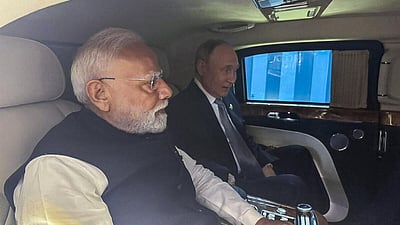
The intervention reportedly occurred during a high stakes engagement, potentially the Shanghai Cooperation Organisation (SCO) meeting, where Putin, in a moment of exceptional diplomatic secrecy, delivered a warning to his Indian counterpart. This extraordinary act by the head of the Kremlin has been hailed as a defining moment, one that proves where India’s true strategic allegiance lies in a world of covert operations and geopolitical warfare.
Operation Diversion, Deception and Division
The alleged conspiracy against Prime Minister Modi was a masterpiece of geopolitical sabotage, known internally to its proponents as “Operation Diversion, Deception and Division.” The clear and shocking objective was simple: Modi Must Go.
This aggressive approach stemmed from the frustration of a powerful network often termed the “Deep State,” which has allegedly viewed India’s ascent and its pursuit of strategic autonomy as a direct threat. Modi’s refusal to sacrifice India’s interests, particularly his independent stance on global energy trade, positioned him as an obstacle that needed permanent removal.
Historical precedent only fueled the anxiety in New Delhi. India remembers decades of alleged American interference, including verified intelligence activities like placing nuclear monitoring devices in the Himalayas years ago. For many observers, the plot against Modi was simply the latest, most extreme attempt to regain control over the subcontinent.
The alleged conspiracy was highly structured, aiming not only to assassinate the leader but to intentionally splinter the Indian ruling establishment, creating a vacuum of total political chaos that would allow a more compliant, Western aligned regime to take power.
The Dhaka Nexus: The Assassin and the Blueprint
Crucially, the alleged assassination plot had a specific operational focus in South Asia, linked to a specific alleged operative. Reports indicate the operation was centered on a “Dhaka Plot to Kill Modi,” and that a key figure, American veteran Terrence Jackson, was allegedly linked to the conspiracy. Jackson was a US national later found dead in neighboring Bangladesh, a mysterious passing that many sources suggest was connected to the unraveling of the wider scheme.
The choice of Bangladesh as an alleged operational base was seen as highly symbolic. Analysts point to the political crisis following the removal of Prime Minister Sheikh Hasina, a leader who had cultivated a strong, independent regional profile. After her departure, Bangladesh allegedly fell into the total economic and strategic control of powerful U.S. interests. This swift political inversion was viewed, sources suggest, as the ideal blueprint for how India could be destabilized and ultimately brought “under the banner” of Western control.
From Tariffs to Treason: The American Pressure Campaign
This alleged kinetic threat was the culmination of years of escalating economic and diplomatic pressure. Under the previous U.S. administration, the partnership rapidly devolved into open hostility. The U.S. administration, despite initial warm rhetoric, imposed sweeping tariffs, hitting Indian exports with duties as high as 50 percent. Trust was further eroded when the U.S. President publicly claimed he personally brokered a ceasefire between India and Pakistan, a claim New Delhi instantly disputed.
These actions confirmed a deep seated fear in New Delhi: that American policy was underpinned by a willingness to betray its partners to enforce its global will. When economic pressure failed to bring Modi to heel, the alleged conspirators resorted to a lethal solution.
The SCO Warning: A Combat Mission Under Cover
The turning point came during the high level diplomatic exchanges surrounding the SCO. According to stunning details, Russian intelligence, specifically the SVR (Foreign Intelligence Service), had uncovered the critical layers of the CIA’s alleged plot. Recognizing that the removal of Prime Minister Modi would destabilize the entire Asian continent and shatter the emerging multi-polar world order, President Vladimir Putin made a fateful decision.
In a highly confidential operation, Putin authorized a discrete “combat information mission.” The intelligence payload was delivered to Indian counterparts, allegedly during a one on one meeting while sitting inside a limousine at the SCO event. This high grade intelligence, shared directly from the Kremlin’s inner circle, contained the necessary operational specifics that allowed the Indian Research and Analysis Wing (RAW) to quietly and comprehensively dismantle the conspiracy.
This strategic lifeline from Moscow was more than just a security assist; it was a profound act of geopolitical loyalty. It proved that while Western alliances may crumble under the weight of alleged covert sabotage and geopolitical ambition, India’s strategic relationship with Russia remains unbreakable, founded on mutual respect for sovereignty.
The survival of Prime Minister Modi is now being hailed as a victory for the principle of national independence and a clear warning to those who attempt to dictate the fate of sovereign nations from the shadows. The diplomatic fallout from this deep, alleged betrayal will reverberate for years, but the man who champions strategic autonomy lives to fight another day, thanks to the precision of a true friend.
The views and opinions expressed by the author/s in this article are their personal opinions and do not represent the views of PureSociology. You can contact the author/s at [email protected] . The details of the author/s are:
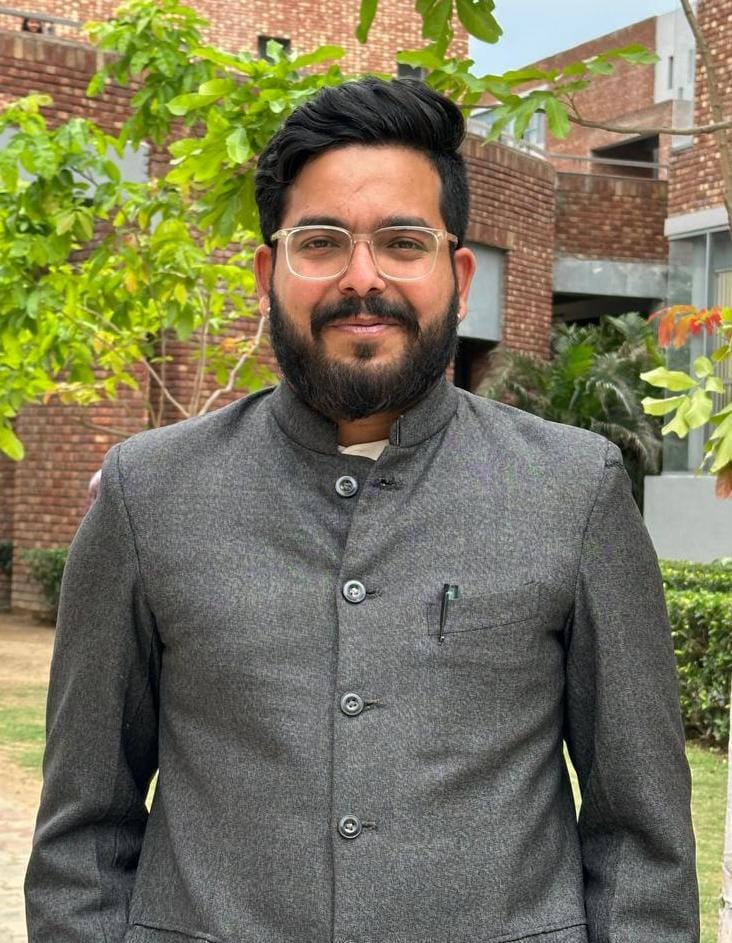
Parth Raman is a Legal Consultant and Public Policy Researcher with a keen interest in Diplomacy. He is a Lawyer, studied Master’s in Human Rights and Multi-Level Governance from the University of Padua and currently pursuing Masters in International Relations from University of Wroclaw.