
The Indian social system has traditionally been characterized by complex and interlocking patterns of kinship, wherein family life extensively traversed the domestic unit. The classical sociologists of India have repeatedly underscored that caregiving, authority, care work, and moral socialization were diffused over a very vast network of relations. Motherhood and fatherhood, accordingly, did not constitute solely biological roles but social roles inseparable from quotidian relations of kinship.
Irawati Karve, in her pioneering study of kinship organization in India, pointed out that even in relations such as that between uncles, aunts, nieces, and nephews, emotional and social ties had a significance equal to that of parent-child ties. For Karve, kinship was a lived relation of obligation, love, and reciprocity, not simply a genealogical one. Similarly, A. M. Shah’s researches on family in India showed that in spite of a defeated household becoming nuclear, family relations continued functionally joint on the basis of emotional dependency, ritual obligations, and shared responsibilities despite space.
However, with the modern Indian context, the pace of urbanization, migration, and aspirations have given further impetus towards the dominance of the nuclear family model. Although the extended family model continues to be prevalent, it is increasingly given less importance. This becomes clear during instances of loss and sadness.
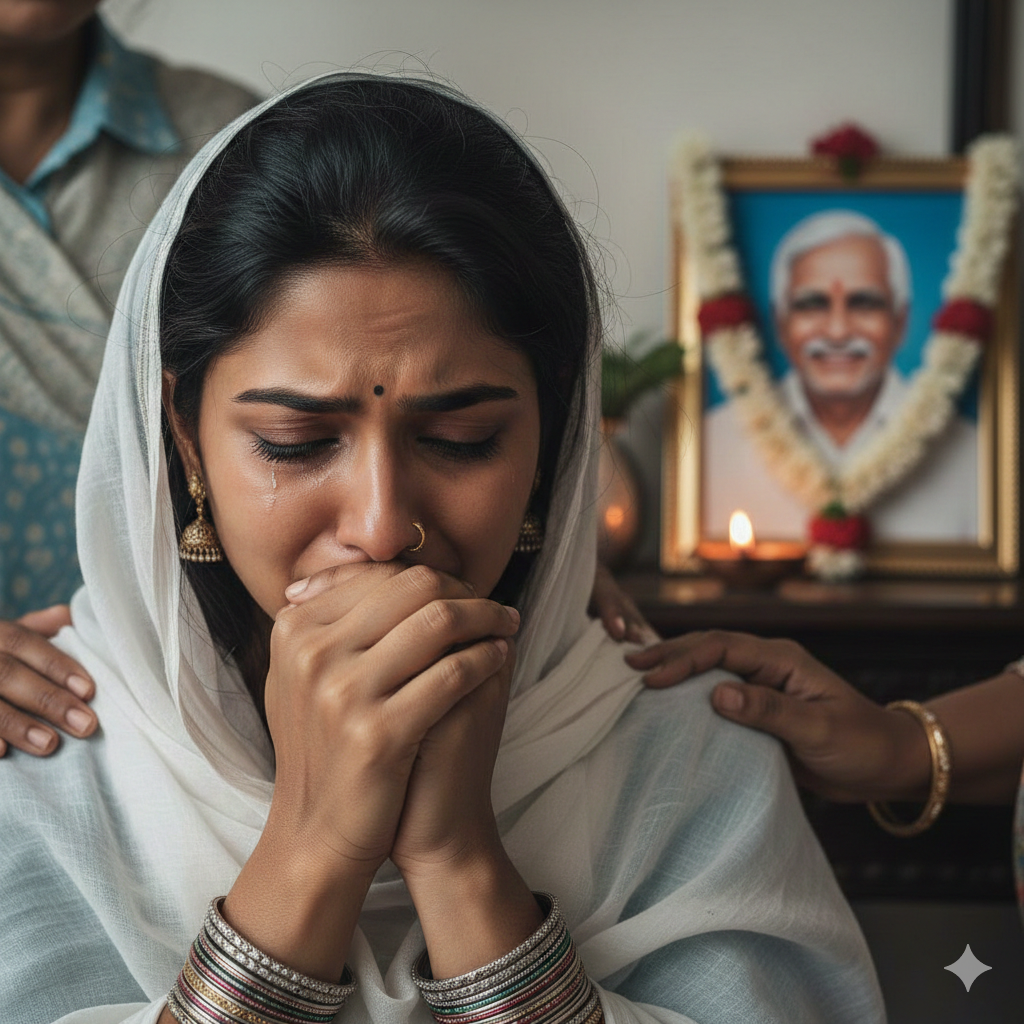
A personal, yet sociologically interesting perspective through which the transformations can be studied has been presented by the loss of my father’s brother, whom I always called “Daddy.” This loss presented me with the prospect of dealing with my grief but also with the lack of understanding of this loss in society.
Though I grew up in a nuclear family and was geographically distant, at least 100 kilometres away, my uncle whom I lovingly called “Daddy” nursed a parental relationship with me. His care, control, emotional presence, and moral support had been pervasive and influential. He, along with my aunt, was crucial to my socialisation, and my cousins served as my brothers and sisters in the psychological sense. Going by my own experience, I feel very in sync with Shah’s contention that in “Indian families, domestic life can operate as a kind of network of relationships which transcends the notion of dwelling as an enclosed domestic place.”
The relevant point here is M.N. Srinivas’s understanding of the joint family as a process and not merely a structure. According to Srinivas, what constitutes jointness in the Indian family cannot be defined by residence alone, and the authority to command and the obligations of kinship also extend to co-residential separation.
However, the social surrounding of my grief indicated the existence of an unspoken hierarchy of relationships. There seemed to be an assumed belief that grief can only be fully legitimate in the aftermath of the passing of the biological parent. The grief of the death of an uncle, even if that uncle is a strong father figure, is somehow put into question or downgraded. All of this is indicative of the increasing impact of the ideology of the nuclear family.
When viewed from a sociological lens, the problematic nature of the aforementioned hierarchy comes to the fore. As Indian sociologists have long maintained, kinship by blood is not the only factor; rather, it encompasses societal roles as well as emotional investment. Death by extension cannot simply be understood from the perspective that grief constitutes a vulnerability of the mind. Grief, instead, constitutes a societal experience that reflects the disruption of a significant linkage.
A society like that of India, which has traditionally lived off family ties for care and security, cannot confine mourning within family lines. The space that is left empty after losing someone like “a parental presence” makes Karve’s point that relations are more about lived interaction and involvement in each other’s lives than naming and labeling.
The discomfort with such grief is, of course, part of a larger discomfort with such emotions in modern society. Modern society is rapidly being organized around issues of emotional regulation, productivity, and quick recovery. Grief that doesn’t fit this is often pathologized as being excessive. But, as some sociologists of families and emotions argue, grief is a sign of relation, not weakness.
In mourning my uncle, I am not establishing an order for grief, an order in which some losses are preferable to others, in which some deaths are tolerable, while others are not. Rather, in mourning my uncle, I am declaring the truth of sociology, established in Indian scholarship, in which family is both structure and performance.
This reflection asks both society and the world of sociology to take a moment to reassess how we understand the terms of family, bereavement, and emotional reality in modern-day India. The extended family has certainly not been rendered redundant but has simply adjusted to the new realities of society. The emotional undertones of the extended family, in the form of grief, are certainly real.
Grief, in this instance, becomes sociological testimony. Grief is the testimony of relations that in effect acted as parenthood in every facet and proves the importance of kinship over and above the parameters of biology by extending them in every aspect. Acknowledging this experience of grief is paying tribute to the experience of Indian family life in its entirety.
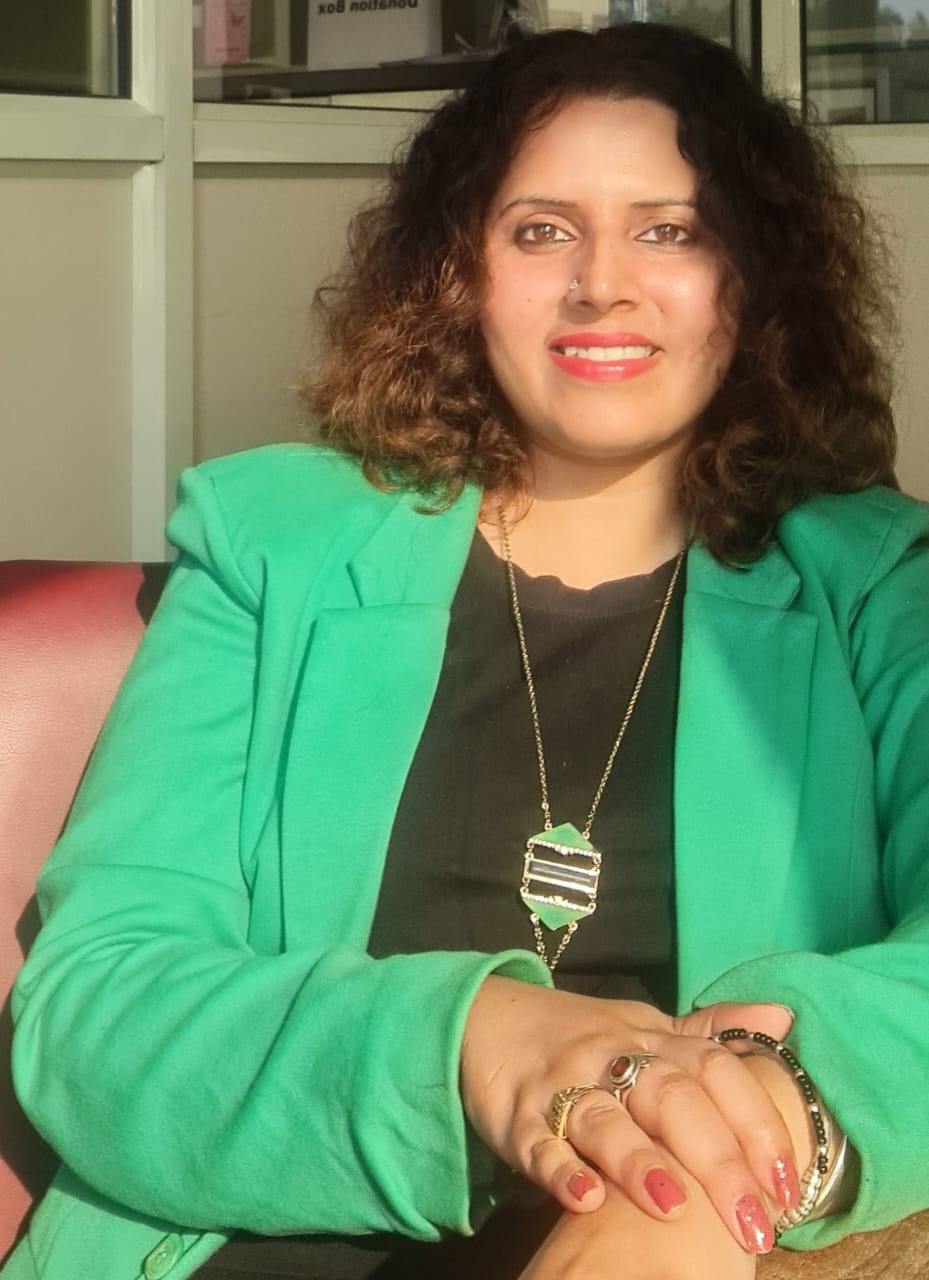
Mangla Bhardwaj, theorizing grief in terms of stages or order etc. has already been ruled out. It stays but unfortunately, fast paced modern societies (including our own) tend to sideline these fundamental realities of life. So we are often judged when we alk about our dead loved ones or mourn death of someone not in the immediate family like in your case at the moment. We are advised to move on and fake emotions. This is the side-effect of rapid modernisaton. However, human emotions (especially grief) doesn’t work like that; they take their own course.